
Aragats — Above the Clouds
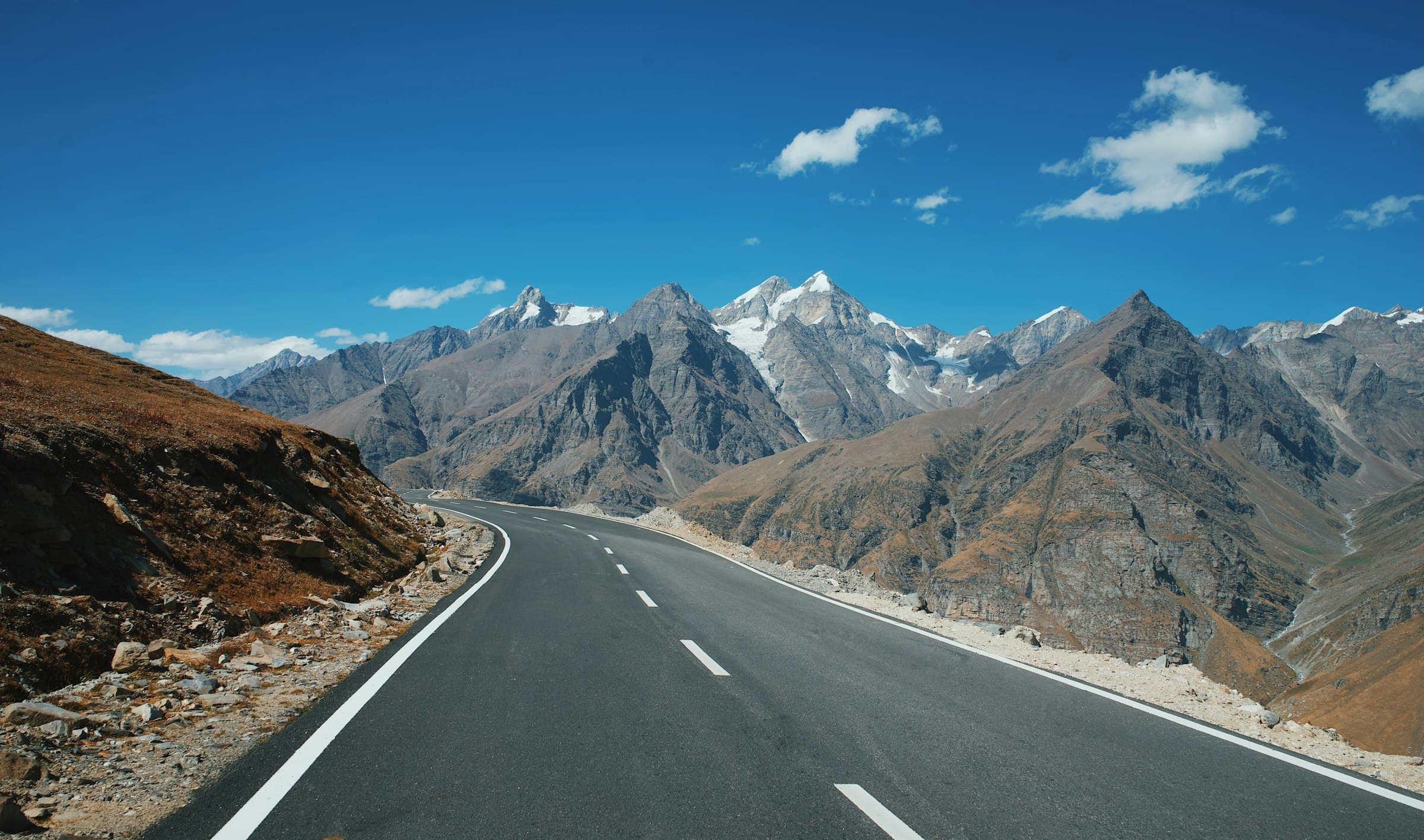
This trip is for those for whom simply seeing Aragats from a distance isn't enough. We drive up to the high-mountain Lake Kari, at an altitude of about 3,200 metres. That is where the road ends and a real mountain route begins. Ahead lie about 700 metres of elevation gain, several hours of hiking, volcanic slopes, thin mountain air and one of the most impressive panoramas in Armenia. Our goal is the Southern peak of Aragats, about 3,888 metres above sea level. It is the most accessible of the four peaks of Aragats, but "accessible" does not mean "easy". This is a full day in the mountains.
Aragats is the highest mountain massif within the modern Republic of Armenia. It is a huge, ancient volcanic massif with four main peaks surrounding a central crater. The Northern peak, at 4,090 m, is the highest point in Armenia. The Southern peak is lower, but it is considered the classic choice for a one-day ascent: in normal summer conditions it takes you almost to the 4,000-metre mark without technical mountaineering, ropes or special climbing gear. That is exactly where we are heading.
We leave Yerevan early in the morning. As we climb towards Aragats, the city landscape gradually fades away. The open spaces of the Aragatsotn region unfold before us, and then the true high-mountain landscape begins. The higher we go, the more the nature changes: the trees thin out, and alpine meadows, volcanic rocks and wide-open mountain spaces appear.
We drive up to Lake Kari, whose Armenian name means "Stone Lake". The lake sits at about 3,200 metres on the slopes of Aragats. It is one of the few places in Armenia where you can drive straight up to such an altitude, and it is from here that the classic ascent of the Southern peak begins. We stop by the lake and don't set off right after arriving: the group needs a little time to adjust to the altitude, get ready and check their gear.
Before setting out, a professional mountain guide gives a mandatory briefing. We check footwear, clothing, water and snacks, how everyone is feeling, the weather and the condition of the route. The guide explains how the group moves, the pace of the climb and what to do if someone feels unwell or the weather turns. Then the ascent begins.
We start at around 3,200 metres. The first part of the route crosses open high-mountain terrain, and the climb here is fairly gentle. This matters, because the body gradually adapts to the altitude. There is no need to rush: the main task over the first kilometres is to find a comfortable breathing rhythm and save energy for the upper part of the route. As we climb, Lake Kari grows smaller and the panorama grows wider. Above 3,400–3,500 metres the character of the route gradually changes: there are more volcanic rocks and scree sections, and the climb becomes more noticeable. At this altitude even a physically fit person may find they can't keep up their usual pace. That is normal. The group moves at a pace set by the professional mountain guide and takes short breaks for water and to catch their breath when needed.
During the climb the character of the mountain itself becomes especially clear. Aragats is not an ordinary solitary peak but a vast volcanic massif, and the higher we go, the more you feel the scale of the ancient volcano. All around are volcanic rocks, scree slopes, alpine meadows, high mountain slopes, snowfields early in the season and huge open spaces. Almost nothing blocks the horizon here. The final stretch takes more effort. The altitude is approaching 3,800 metres, the air is noticeably thinner, and there are more rocks and loose ground underfoot. This is where it is especially important not to overtake the group or burn your last reserves too quickly. We move steadily, in small steps, and finally reach the Southern peak.
We are on the summit, at about 3,888 metres above sea level. The 4,000-metre mark is very close, and the sensations here are truly high-altitude. From the top you see what made the whole climb worthwhile: the huge central crater of Aragats. Across the crater you can see the other peaks of the massif, and the Northern peak, at 4,090 metres the highest point in Armenia, is especially impressive. In good visibility the Southern peak offers vast panoramas: the central crater, the Northern, Western and Eastern peaks, the Aragatsotn highlands, the Ararat Valley and Lake Kari far below. On particularly clear days you can also see Greater and Lesser Ararat. But visibility in the mountains can never be guaranteed; it all depends on the weather on the day.
We don't turn back straight away. If the weather and the group's condition allow, we leave time to rest, take photos, have a light snack and simply enjoy the view in peace. How long we stay on the summit is decided by the mountain guide, though: if the weather starts to deteriorate, the descent begins earlier.
After the summit comes the second half of the route. It is important to understand that the climb doesn't end at the top; you still have to get back down safely. On the way down your legs are already tired, and the rocky, scree-covered sections demand concentration, so the descent should never be underestimated. We move together with the professional mountain guide and gradually return to Lake Kari. After several hours in the mountains the lake is close again, and we are back where our ascent began that morning. Here there is time for a proper rest: you can change clothes, have a snack, drink water and recover after the route. After the rest we set off back to Yerevan.
This route is designed for active travellers. It suits those who want to try a real mountain ascent for the first time, climb to almost 3,900 metres, see the Aragats crater from above, test themselves physically, spend a full day in the mountains and see Armenia from a completely different side. No technical mountaineering experience is required in standard summer conditions, but good physical fitness is essential. This is not a leisurely sightseeing tour.
Useful information
Booking
Places on the tour are by advance booking only, and group size is limited.
To book, please tell us:
- The tour date
- The number of participants
- WhatsApp / Telegram: +374 99 250 525
Once your booking is confirmed, your place in the group is secured.
Departure time and place
Departure point: Yerevan, 51 Mesrop Mashtots Avenue, the lower part of the Matenadaran, next to the Bus Voyage stop.
Look for the AMARAS TOUR sign on the windscreen of the vehicle.
- Meeting time: 06:45
- Departure: 07:00
What's included
- Comfortable transport from Yerevan and back
- Mountain transport / jeep for the driving part of the route
- Professional mountain guide
- Guidance throughout the entire ascent
- Lake Kari
- Hike to the Southern peak of Aragats
- Rest on the summit, weather permitting
- Descent to Lake Kari
- Bottled water
- A treat from Amaras Tour
Not included
- A full lunch
- Additional meals
- Personal hiking gear
- Trekking poles
- Personal expenses
Entrance tickets
There are no mandatory entrance tickets on the main programme.
Ascent at a glance
- Trailhead: Lake Kari, about 3,200 m
- Southern peak: about 3,888 m
- Elevation gain: about 700 m
- Hiking distance: roughly 8–11 km round trip, depending on the line taken
- Hiking time: about 5–6 hours, sometimes longer depending on the group
- Terrain: high-mountain trail, volcanic ground, rocks and scree
- Technical difficulty in summer: special climbing gear is usually not needed
- Physical effort: moderate / above moderate
Fitness
You need to be ready to spend several hours on your feet and gain about 700 metres of elevation. This route should not be treated as an ordinary sightseeing tour.
Even over a relatively short distance, altitude greatly increases the effort. Someone who easily walks 10 km around a city won't necessarily manage 10 km at 3,200–3,900 metres as easily.
Altitude and how you feel
This is one of the most important points. We start hiking at about 3,200 metres and climb to almost 3,900 metres.
At this altitude you may experience:
- Shortness of breath
- Headache
- Dizziness
- Nausea
- Weakness
- Drowsiness
- A sharp drop in pace
Don't hide feeling unwell for the sake of the summit: tell the mountain guide straight away if you notice any of these symptoms.
Footwear
The right footwear is especially important on this route. We recommend:
- Hiking boots
- Good-quality trail shoes
- Closed shoes with a good tread
Your shoes should already be broken in; don't wear new hiking boots for the first time on the day of the climb. Flip-flops, sandals and city shoes are not suitable.
Trekking poles
Trekking poles aren't mandatory for everyone, but they are highly recommended. They are especially helpful:
- On scree sections
- On the descent
- To reduce strain on your knees
- To keep your balance
What to wear
Even if it's hot in Yerevan in the morning, conditions at almost 3,900 metres are completely different. Layers are the best option.
We recommend:
- A T-shirt
- A sweater or fleece
- A windbreaker
- A light waterproof jacket
- Comfortable long trousers
- A hat
You can add or remove layers as you climb.
What to bring
For the ascent we recommend a small, comfortable backpack containing:
- Extra water
- Snacks
- A warm sweater
- A windbreaker
- A rain poncho
- A hat
- Sunglasses
- Sunscreen
- Personal medication
- Tissues
- A power bank
Don't bring a heavy backpack: every extra kilogram feels much heavier at altitude.
Water
Amaras Tour provides bottled water. However, for several hours of active climbing we recommend bringing your own extra supply. How much you need depends on the weather and your personal needs.
Food
A full lunch is not included. Bring a convenient energy snack for the climb.
It's best to choose foods that don't take up much space:
- Nuts
- Dried fruit
- Bananas or other fruit
- Sandwiches
- Chocolate
- Energy bars
We don't recommend eating heavy food right before the active part of the climb.
Sun
The sun is much stronger at altitude. Even when the air feels cool, you can get sunburnt quickly.
So these are essential:
- A hat
- Sunglasses
- Sunscreen
Weather on Aragats
Aragats is known for its rapidly changing weather. The sky can be completely clear in the morning, and a few hours later clouds, fog or a thunderstorm can roll in.
Possible conditions include:
- Strong wind
- Fog
- Rain
- Hail
- Thunderstorms
- A sudden drop in temperature
That is exactly why we leave early in the morning and try to start the ascent as early as possible.
Thunderstorms: a special rule
On open high-mountain terrain, a thunderstorm is a real danger.
If the professional mountain guide sees storm clouds building or other signs of dangerous weather, they have the right to stop the ascent immediately and start the descent.
This decision is not up for discussion.
Season
The main season for group ascents is roughly June to September. Exact dates depend on the amount of snow, and early in the season snowfields may remain on the route.
If route conditions require special winter or mountaineering equipment, the standard group tour does not run.
Professional mountain guide
A professional mountain guide accompanies the group throughout the ascent and is responsible for:
- Choosing a safe line for the route
- The group's pace
- Monitoring the weather
- Keeping track of time
- Assessing participants' condition
- Deciding whether to continue or stop the ascent
- Organising a safe descent
All participants must follow the mountain guide's instructions.
Can the summit be guaranteed?
No. No mountain professional guarantees reaching the summit.
The goal of the tour is the Southern peak of Aragats. But if the weather becomes unsafe or a participant's condition doesn't allow them to continue, the guide makes the call to turn back. That is not considered a failure.
The main goal of any ascent is to get back down safely.
Tour duration
The tour lasts roughly 13–14 hours in total. We reach Lake Kari in the morning, then prepare and acclimatise before starting the route. The ascent and descent take roughly 5–6 hours, longer if needed, followed by a rest at the lake depending on how the group feels. We are usually back in Yerevan by around 8–9 pm.
Exact timings depend on:
- The group's pace
- The weather
- Route conditions
- The length of stops
- How participants feel
- Traffic
We never cut the safe pace of the ascent just to get back to Yerevan sooner.
Before you book
This is an active high-mountain tour with a real ascent.
Before booking, every participant should understand three key points:
- The hiking part takes several hours.
- The maximum altitude is almost 3,900 metres.
- Reaching the summit depends on the weather, route conditions and the group's physical condition.
If you are ready for this, Aragats will give you one of the most powerful days of your trip to Armenia. Reaching the summit is the goal. Getting back safely is the main rule.
Route
- 1Yerevan
- 2Mount Aragats
- 3Lake Kari
- 4Hike up
- 5Southern peak of Aragats
- 6Descent to Lake Kari
- 7Yerevan